[ GAME DEVELOPMENT WORK ]
Project Rialto
more screenshots
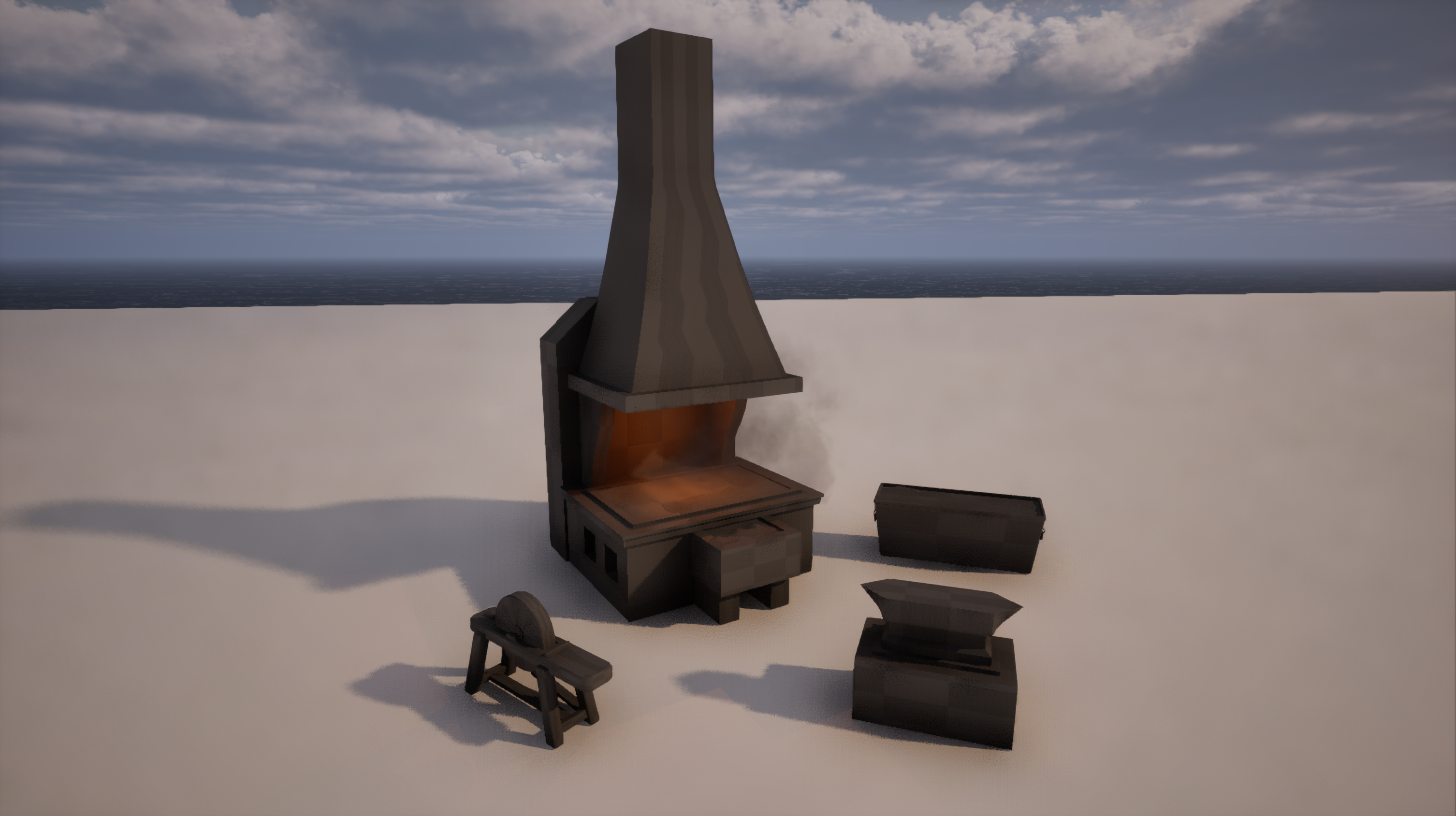
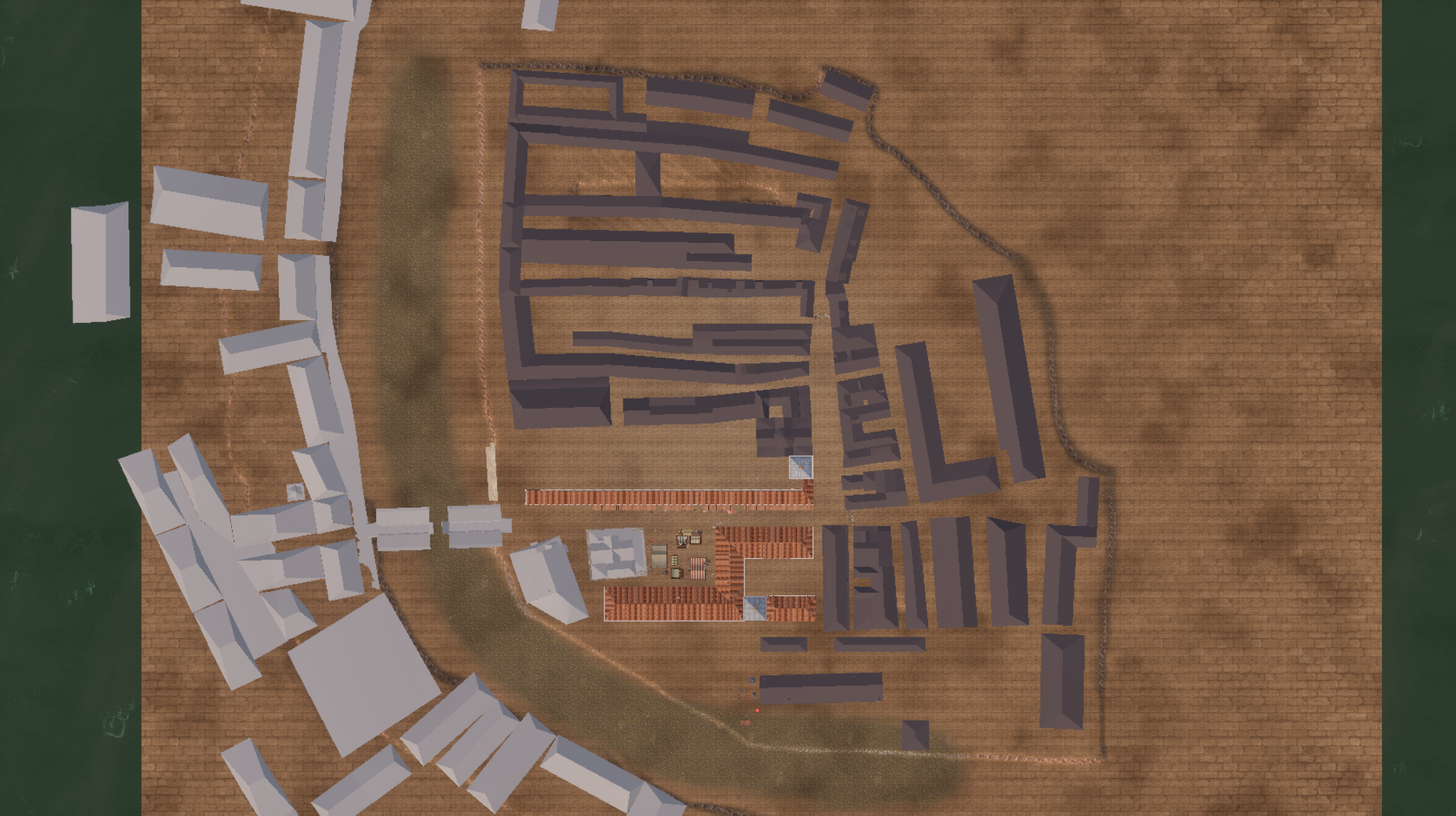

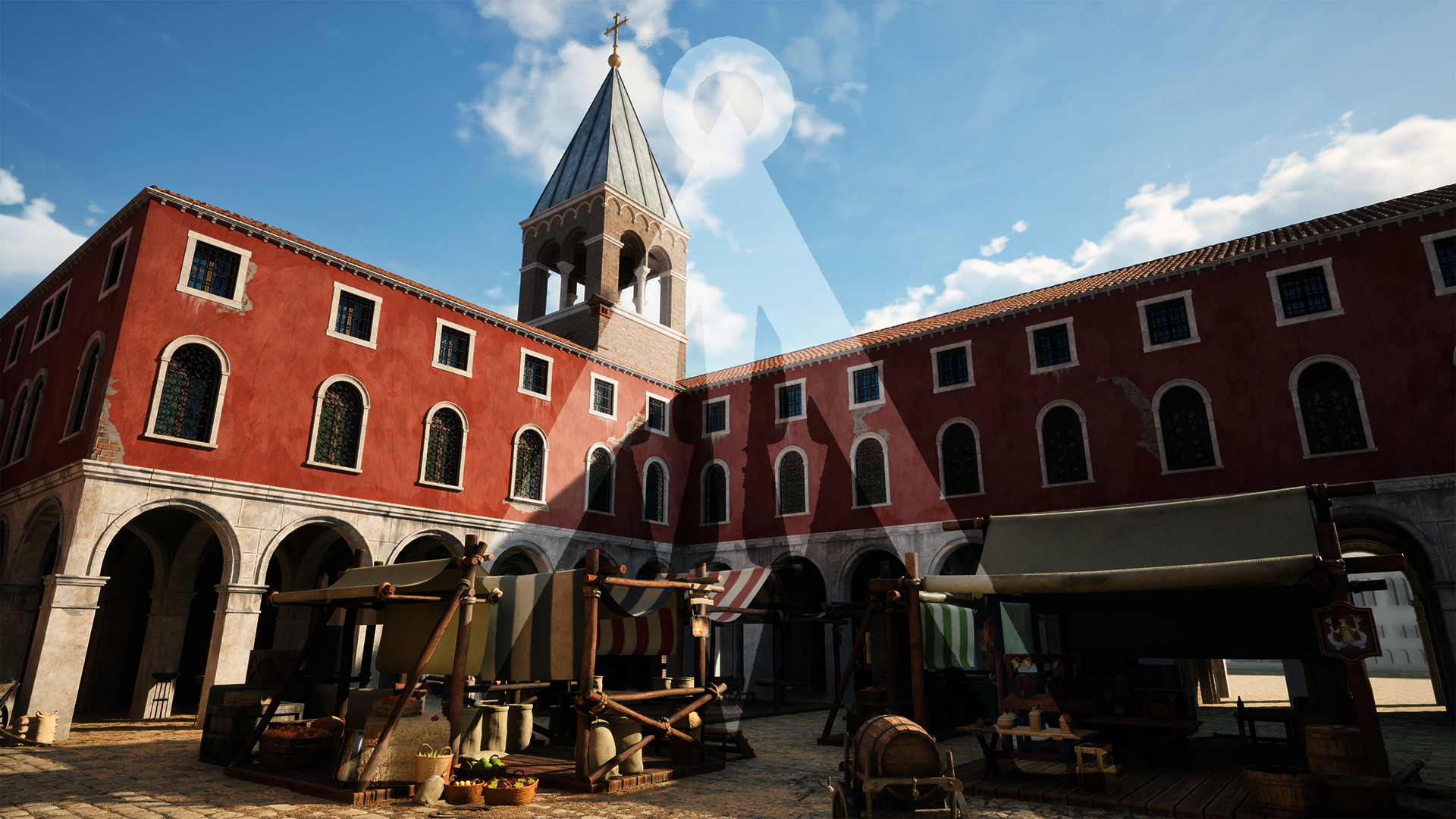
An open-world systemic RPG set in late-medieval Venice during the height of its mercantile power. Designed as a simulation-first RPG focused on economy, NPC schedules, crafting stations, housing, and player-driven agency rather than combat spectacle.
developer notes
Designed and implemented inventory, economy, quests, crafting, housing, and station-based mini-games. Built internal dialogue and narrative tools.
Manage Perforce source control, including depot structure, branching strategy, binary asset handling, and onboarding pipeline.
Golden Piggy Buffs
more screenshots
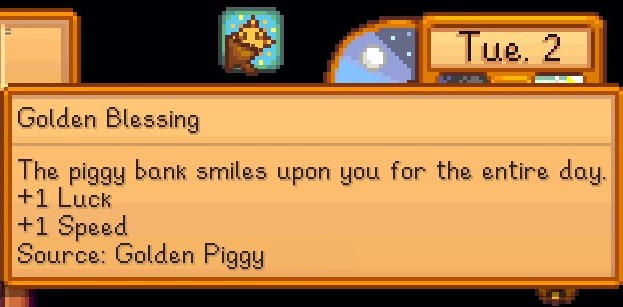
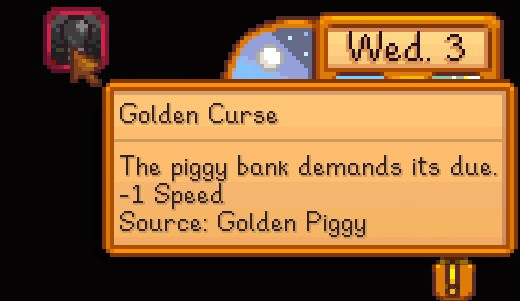
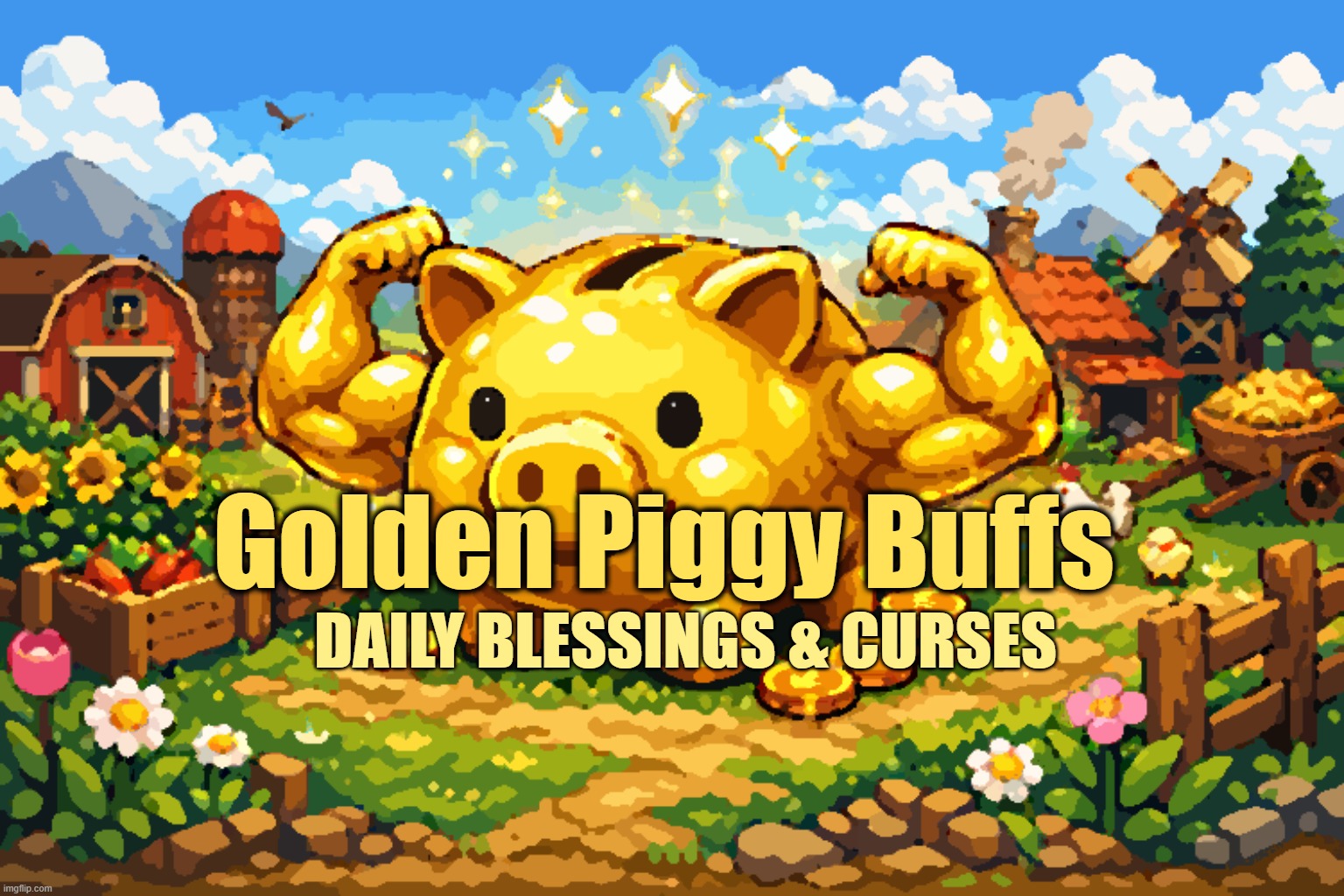
A Stardew Valley mod introducing daily randomized blessings and curses through the Golden Piggy Bank. Buffs have configurable probabilities, durations, and luck-scaling — enabling both gentle boosts and occasional chaos.
developer notes
This was a fun little project built over the course of a weekend, where I got to learn more about how to create mods using C# for Stardew Valley.
Human Fall Flat – Jungle Run
more screenshots
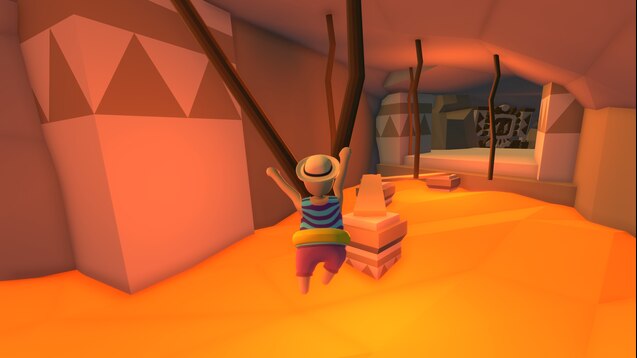
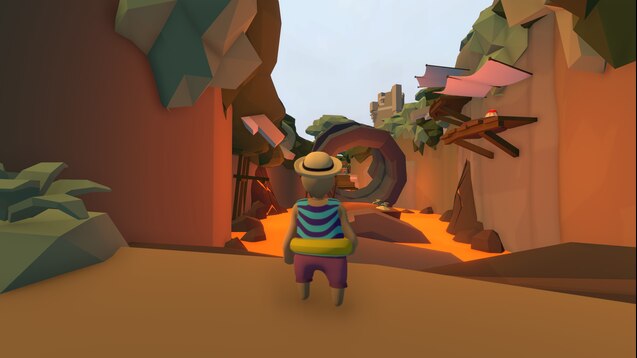
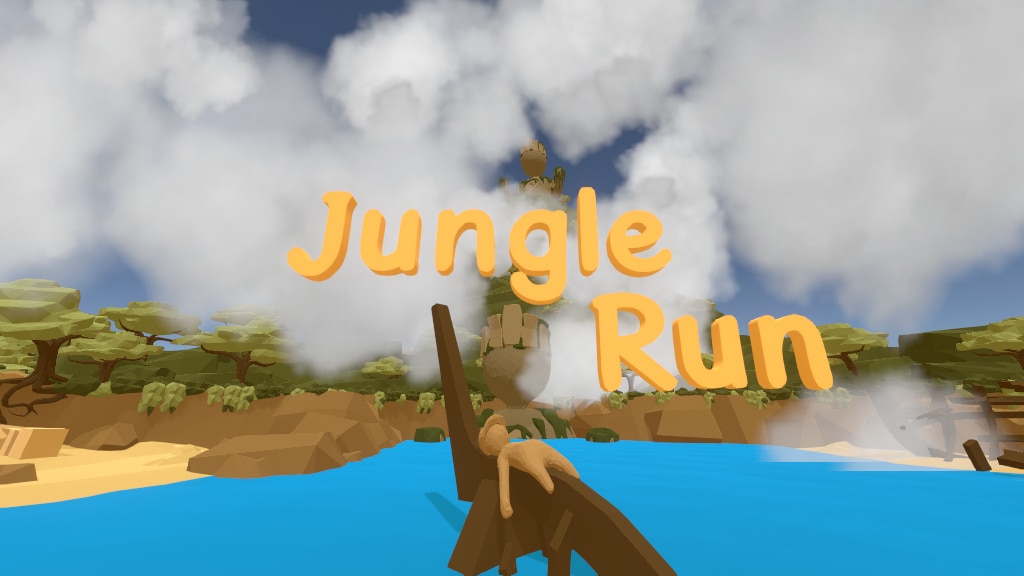
A cooperative physics level built around momentum, traversal, and playful problem-solving. Encourages communication and improvisation as players swing, climb, and throw themselves across dense jungle spaces.
developer notes
This is my second attempt at creating a level for this game. I started it just after graduating and worked on it from time to time over a few years. I wanted to create something like the old Jungle Run TV show from my childhood. As the map was rather large, I had to split it into multiple parts and will continue to work on a part 2 when I get the time.
NeuroScape
more screenshots
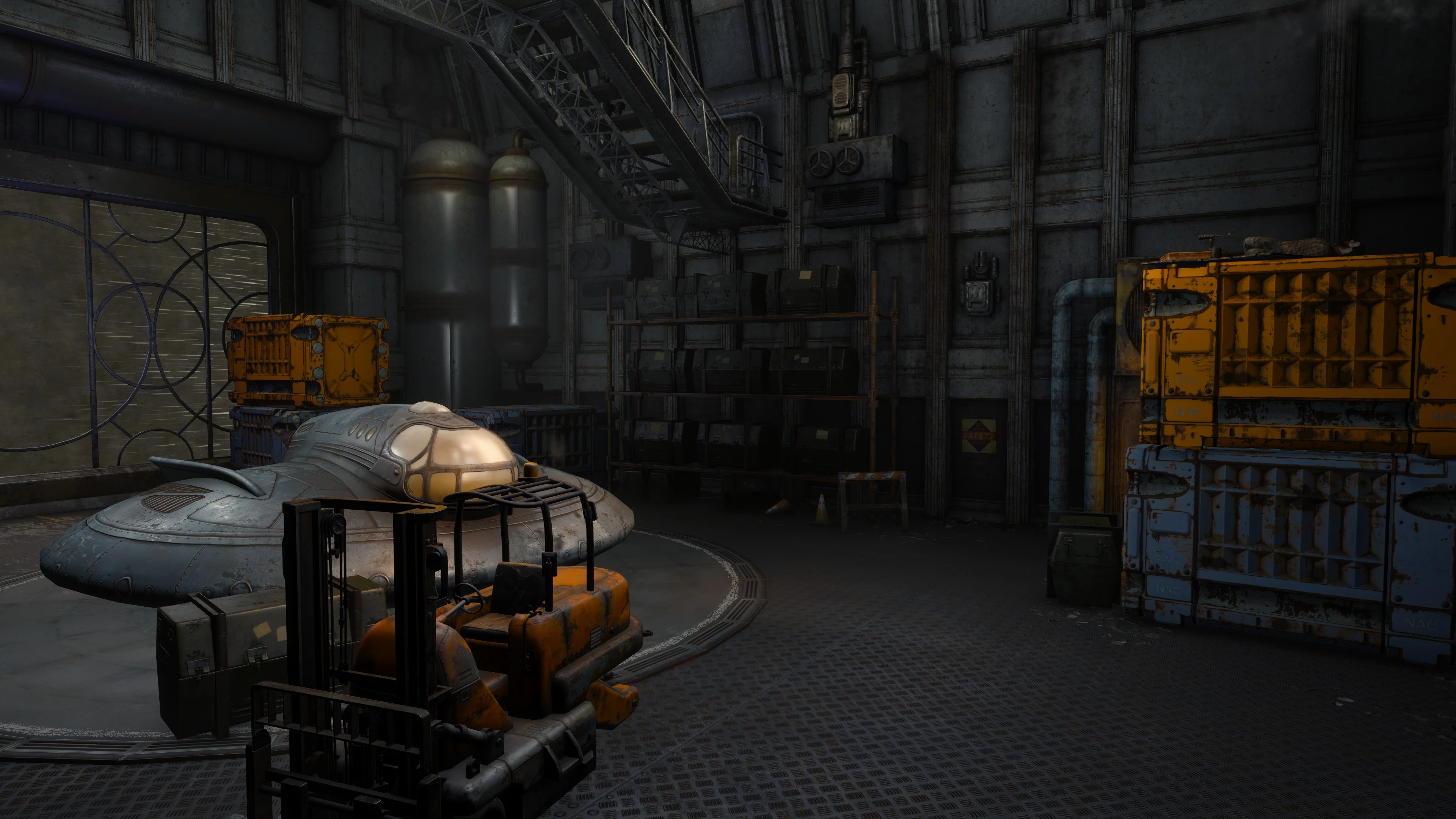
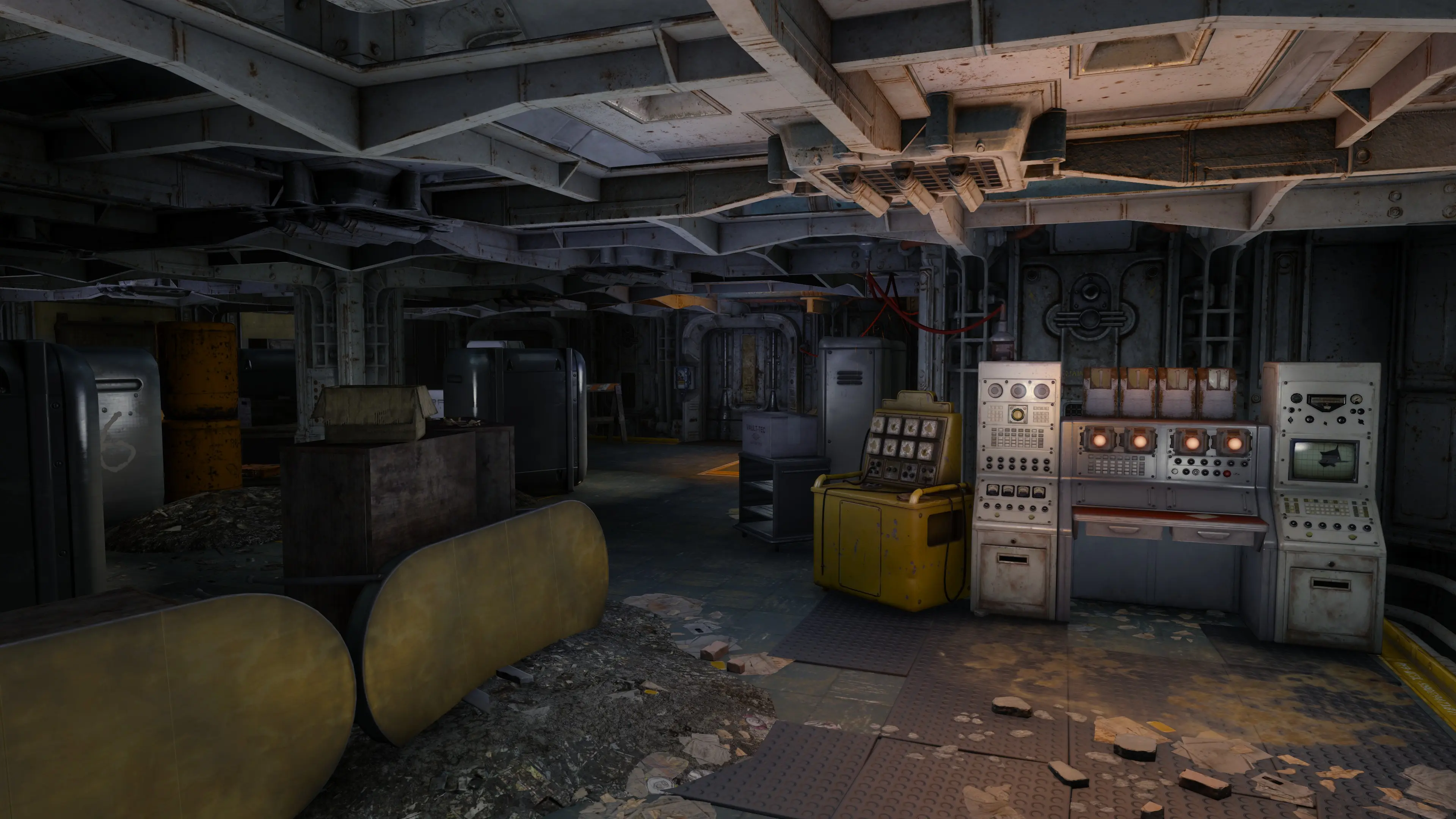
A narrative-driven Fallout 4 mod featuring a full quest, custom interior spaces, and scripted sequences. Uses Papyrus to deliver flavor-rich but focused story beats through terminals, dialogue fragments, and environmental hints.
developer notes
This was something that I always wanted to make, and was my first attempt at doing so. I look to recreate this in the future in more detail and spectacle. I took heavy inspiration from the Fallout 3 Mothership Zeta DLC and pre-existing Fallout lore.
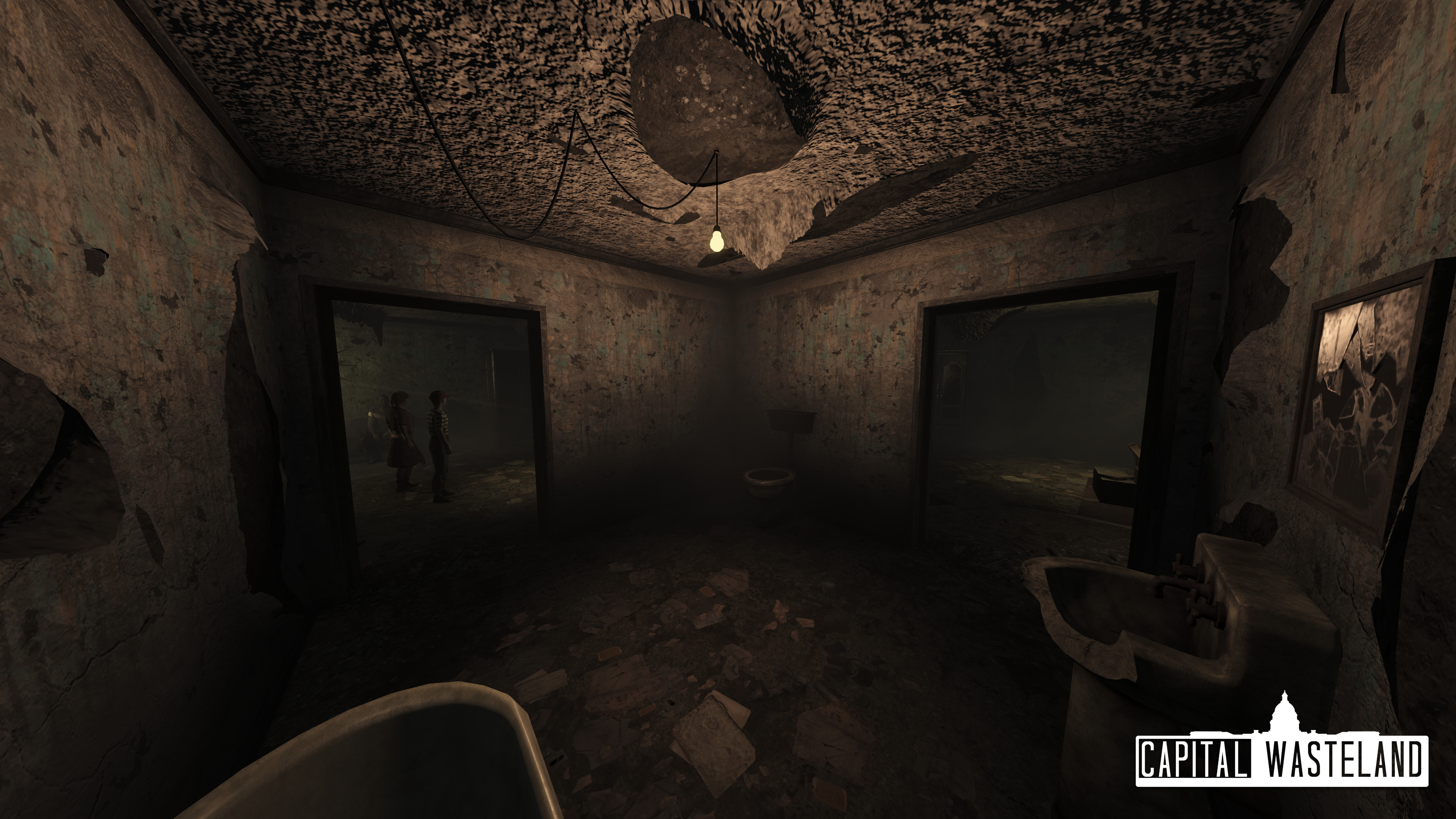
Fallout 4 – Capital Wasteland Locations
more screenshots
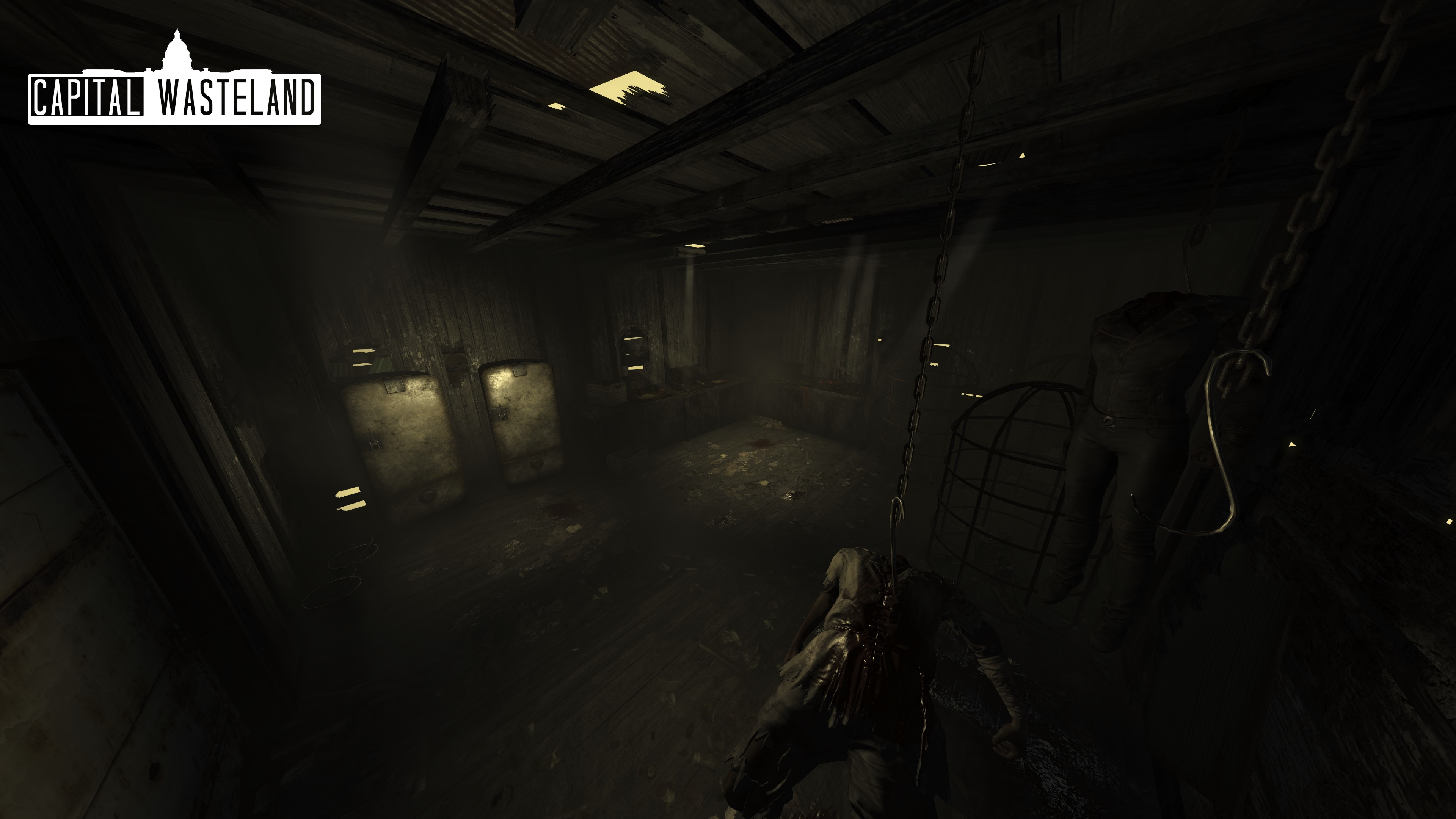
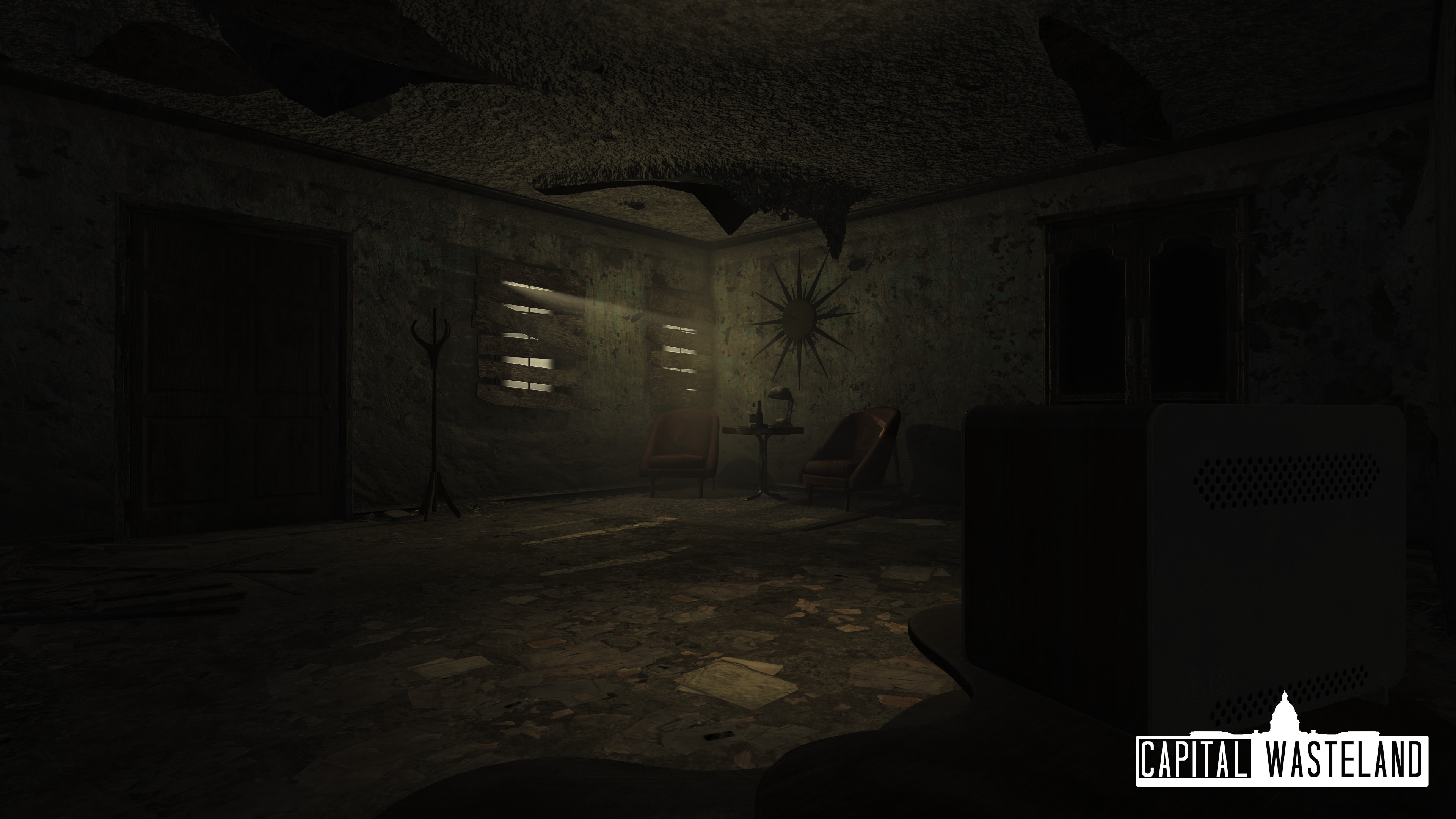
Recreation of Fallout 3 interior and exterior locations for the Capital Wasteland community project, focused on fidelity, spatial memory, and encounter readability.
developer notes
I joined the Capital Wasteland team just after graduation and worked on a few interior locations. As this was my first time using the Fallout 4 Creation Kit, this was a good entry point for understanding how different studios build levels and pipelines for Bethesda-style games.
Equi & Aca
more screenshots
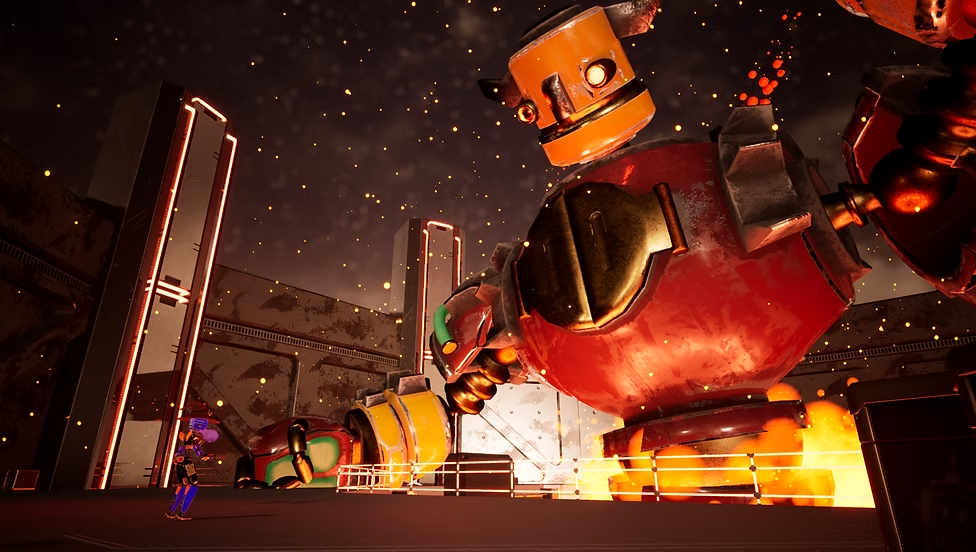
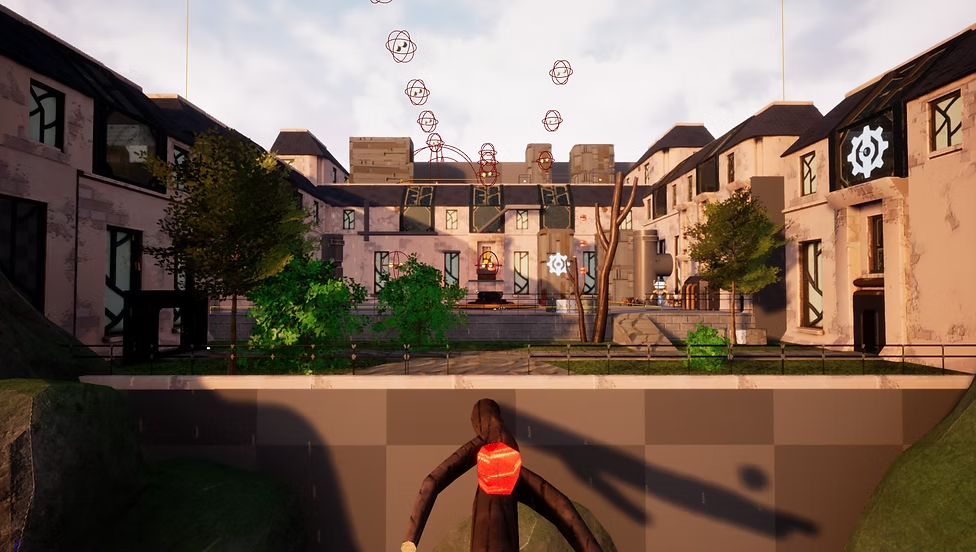
A collaborative 3D platformer inspired by PS2-era mascot games, built to be approachable and readable for players of different skill levels.
developer notes
I'm going to be honest, this was a tough project. It was a 7-month student group production with a large team of peers, and it was the first time I truly experienced the challenges of communication and coordination across a shared creative vision.
Dead on Arrival — Project Series
A horror puzzle concept developed across three iterations: a university prototype, a polished Steam release, and a personal PSX-style de-make. Each version explores how camera, pacing, and visual constraints change player experience.
Part 1 — Original University Project
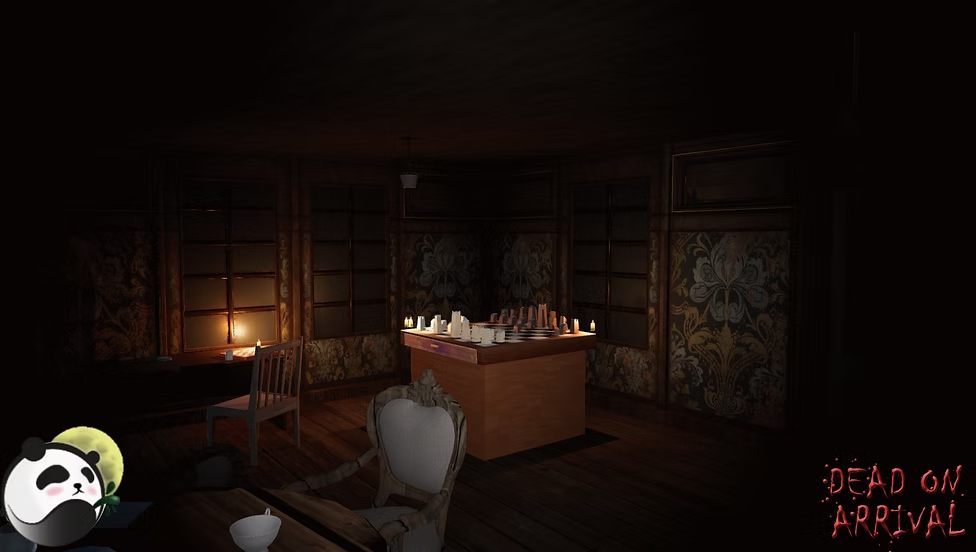
Original collaborative build focusing on puzzle design and narrative discovery built over 10 weeks.
developer notes
This was my first attempt as leading a large project with multiple designers. I oversaw game mechanics, narrative design, and puzzle elements, while collaborating closely with the other designers and artists on the team. It was a project that I was truly passionate about and was thrilled to work on.
Part 2 — Strike Team Steam Release
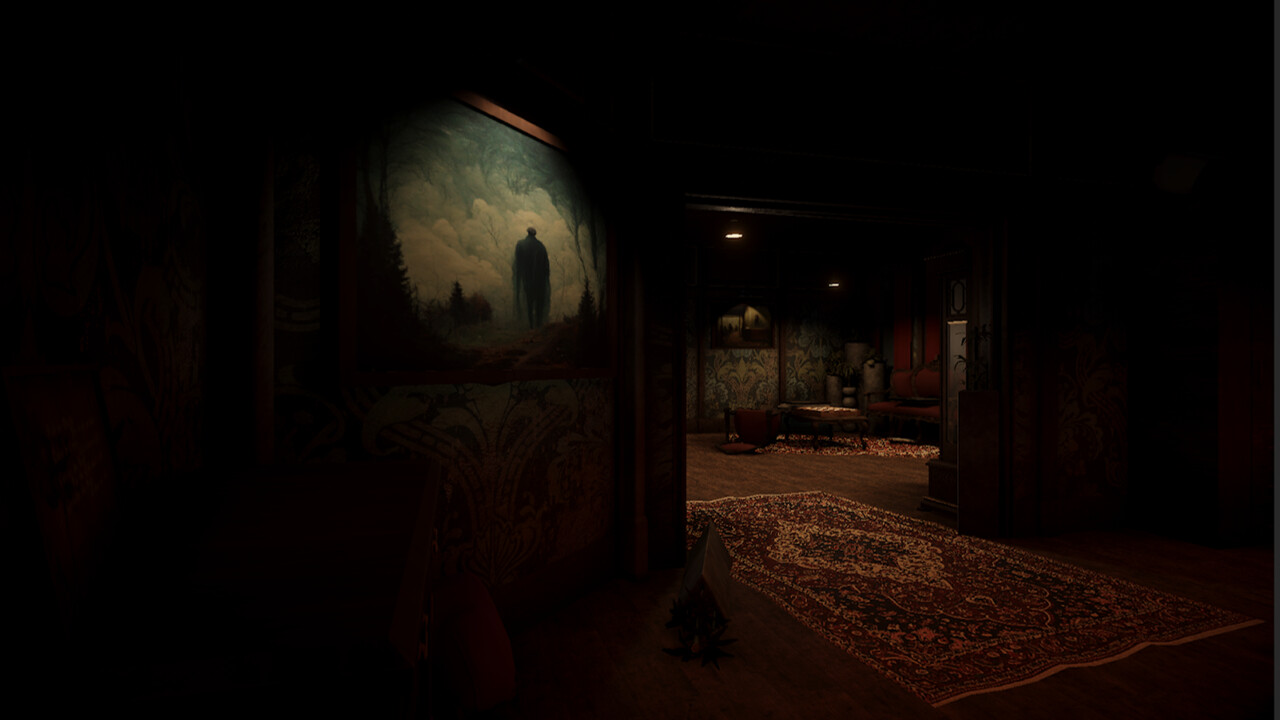
Polished and expanded version released on Steam with improved puzzles, UX passes, and additional content.
developer notes
After working on the original collaborative project, some of the team wanted to continue and try to release the game on Steam. I helped the team with puzzle design and some of the programming for the game, while learning about how to publish and release a game on Steam and learned all of the wonderful implications that goes with it.
Part 3 — Dead on Arrival: De-Make
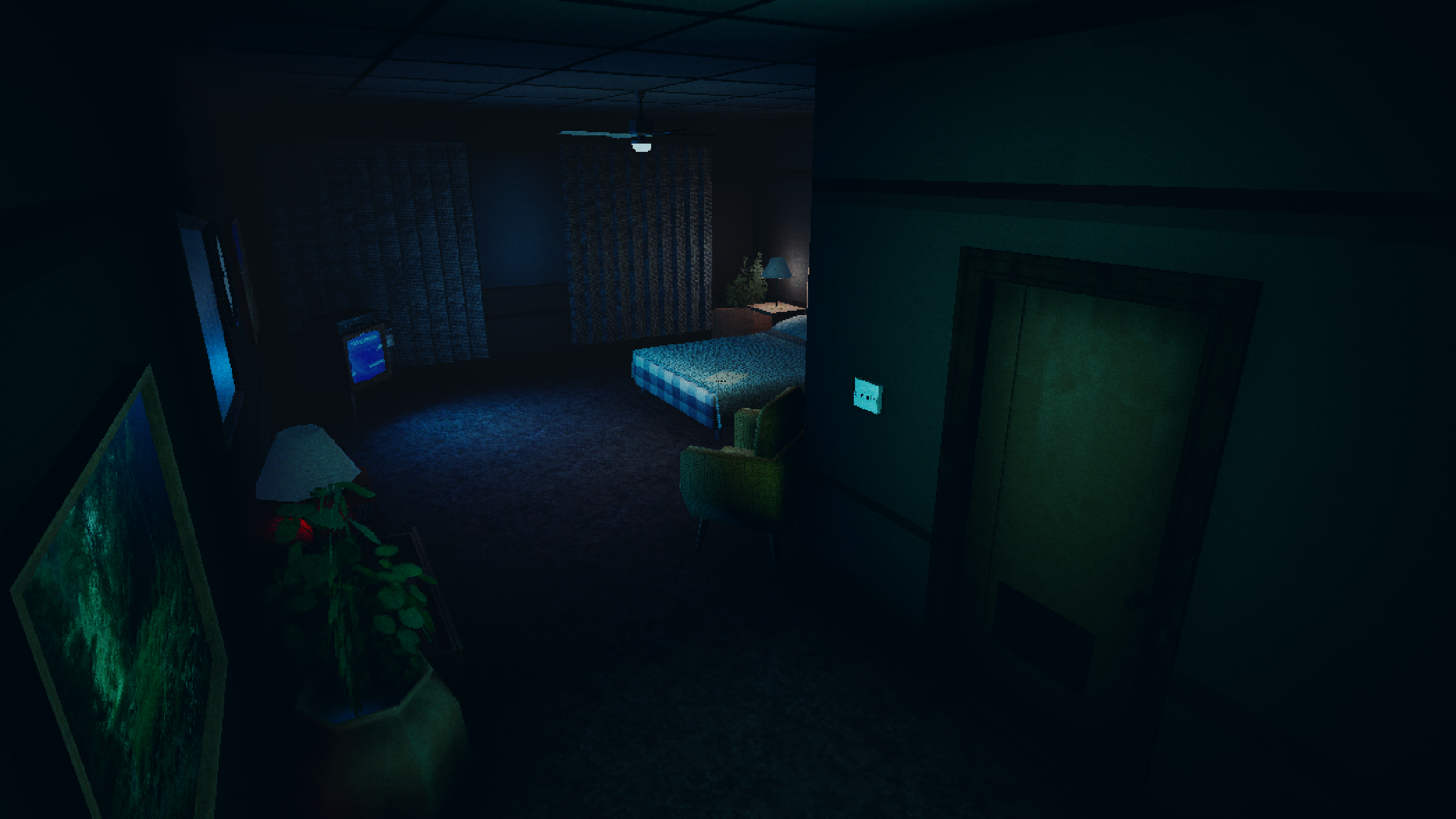
Retro PSX re-imagining exploring constraint-driven horror and low-fidelity readability.
developer notes
I wanted to create a re-imagined concept of the original project with a strong focus on constraint-driven design. I wanted to truly embody how games used to run and how development used to be on older systems and the wonderful implications that come with that. This has been my first attempt at creating my own game without the help of a team.
Human Fall Flat – Island Hopping
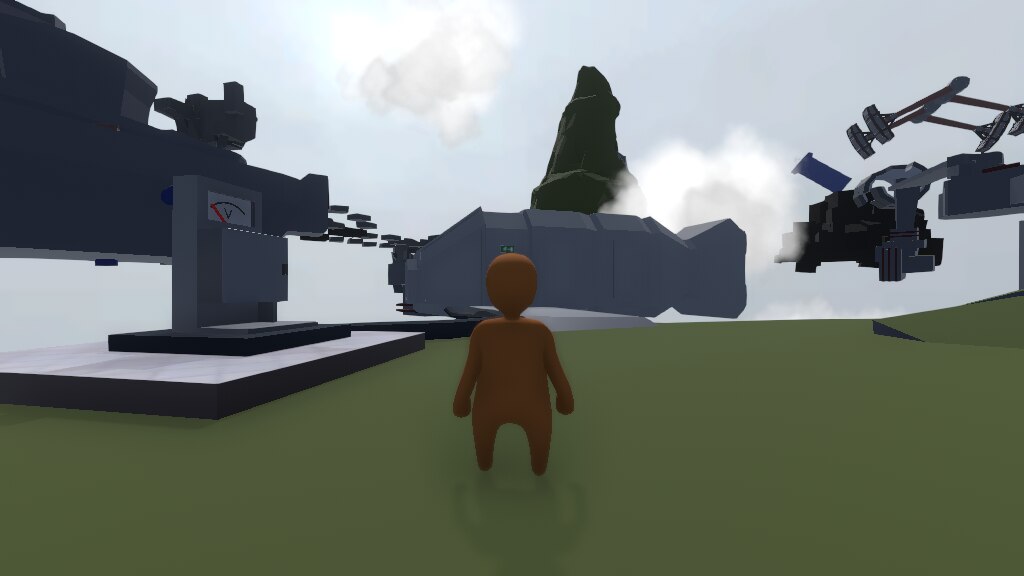
more screenshots
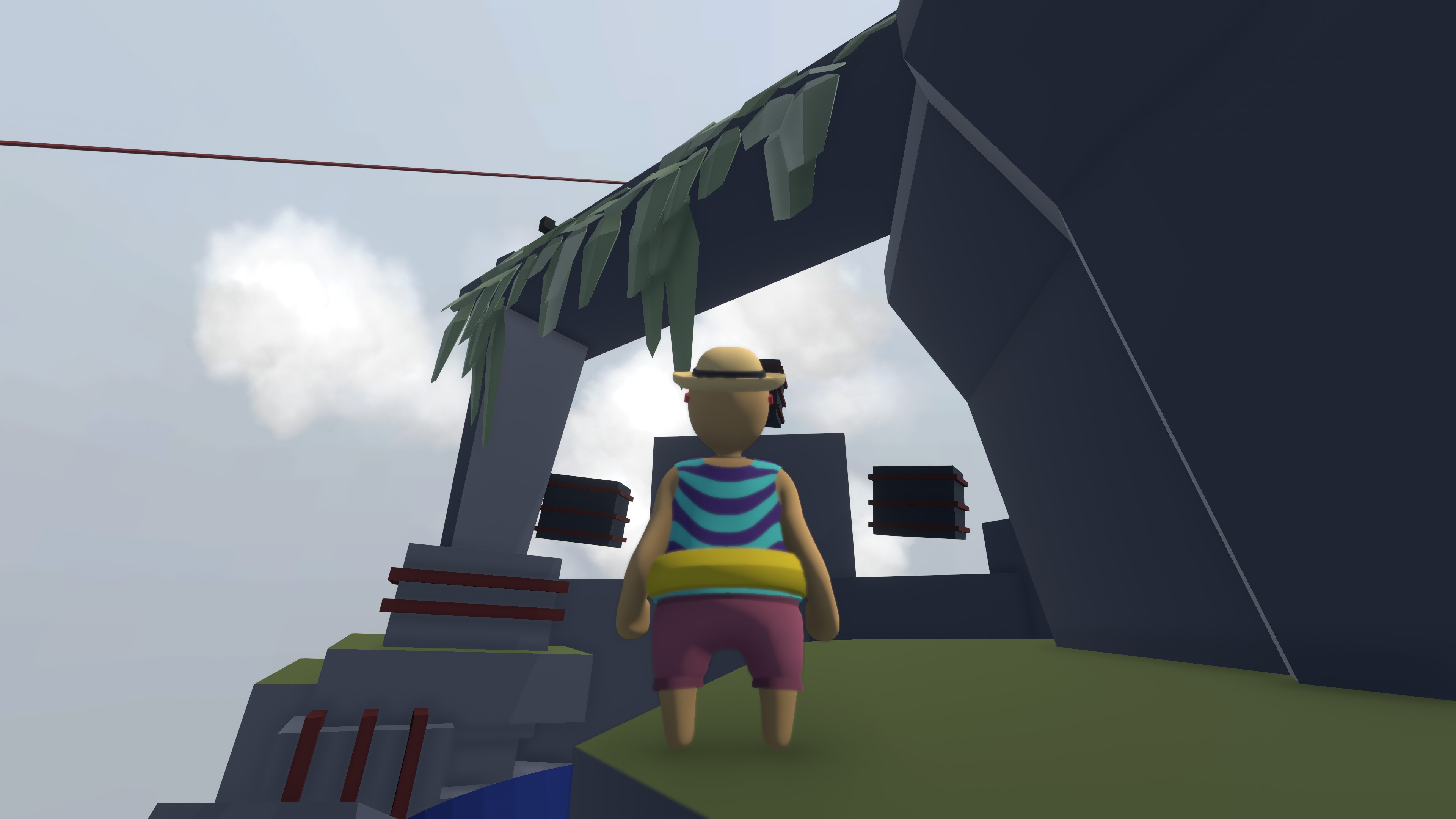
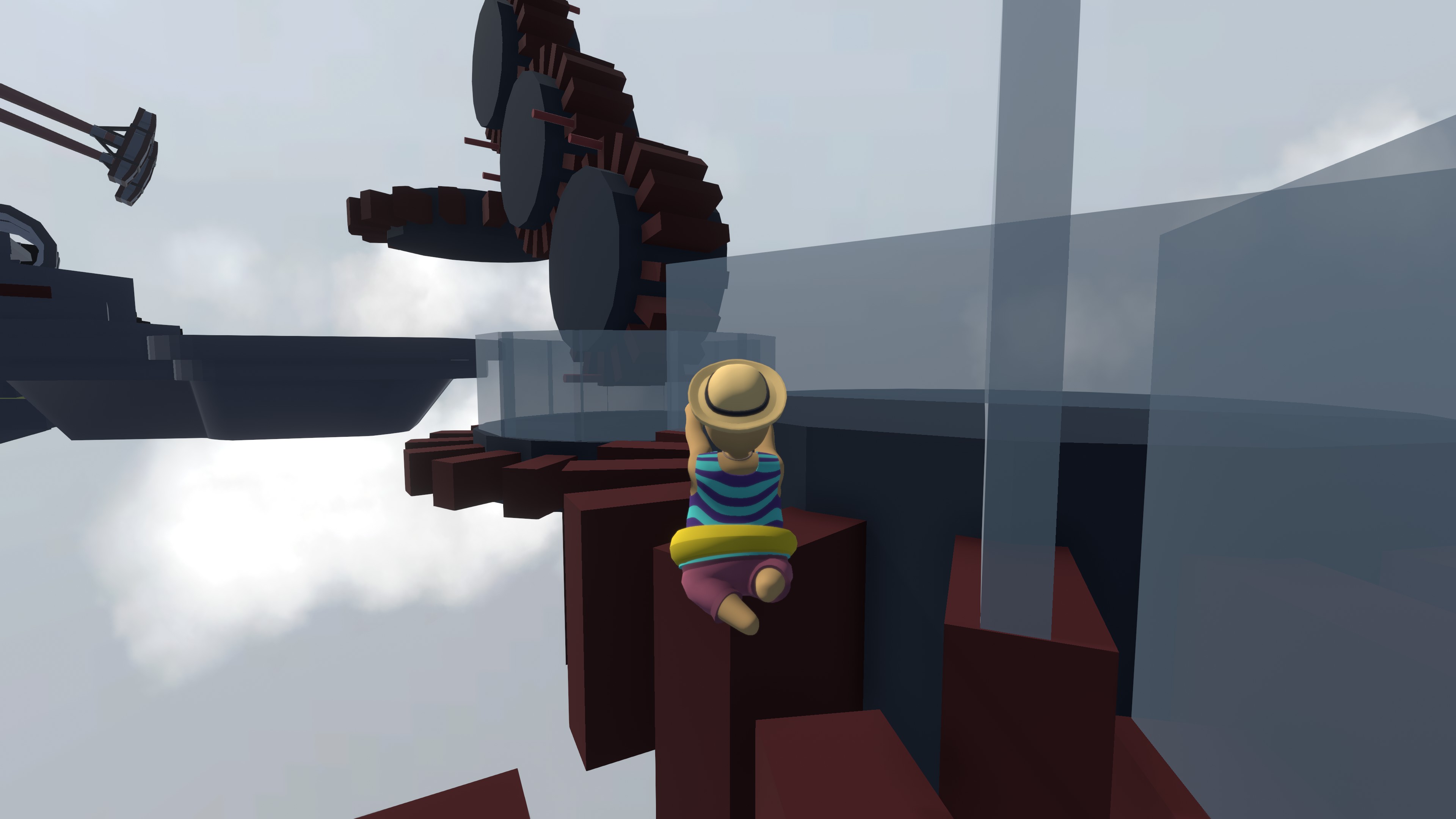
A physics puzzle level built around momentum, rope traversal, and timing challenges designed for cooperative play.
developer notes
This was my first attempt at creating a level for this game. I wanted to try out Unity and the Human Fall Flat SDK and see how cooperative physics levels are structured. This taught me a lot about readability and flow, and how small adjustments dramatically change the player experience.
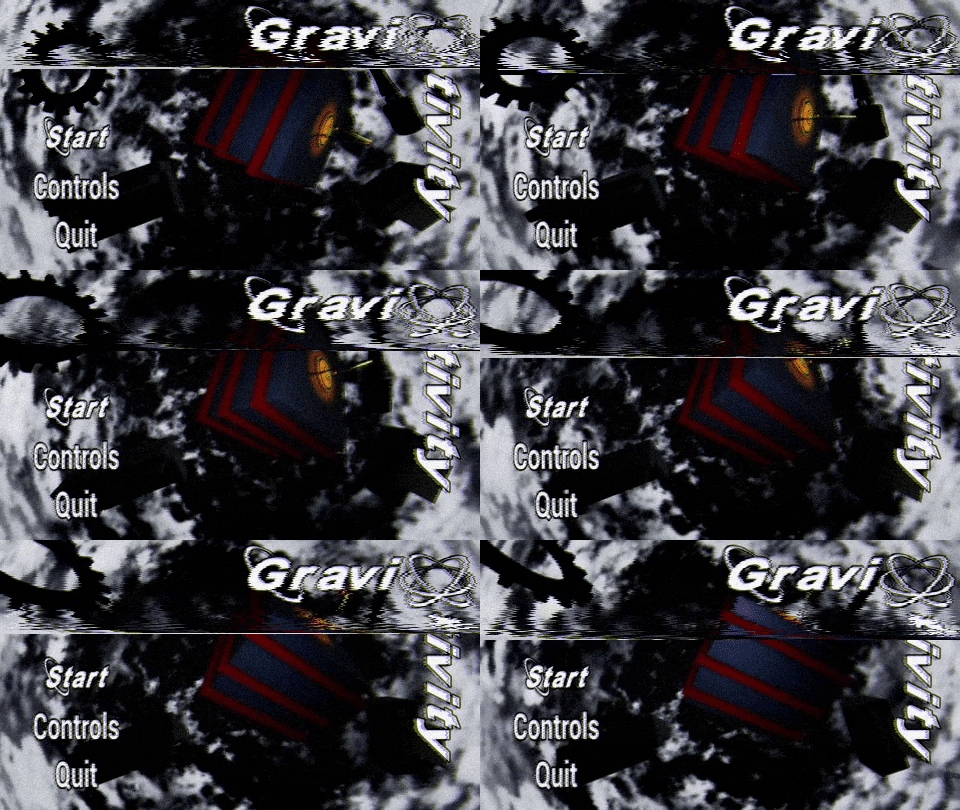
Gravitivity
more screenshots
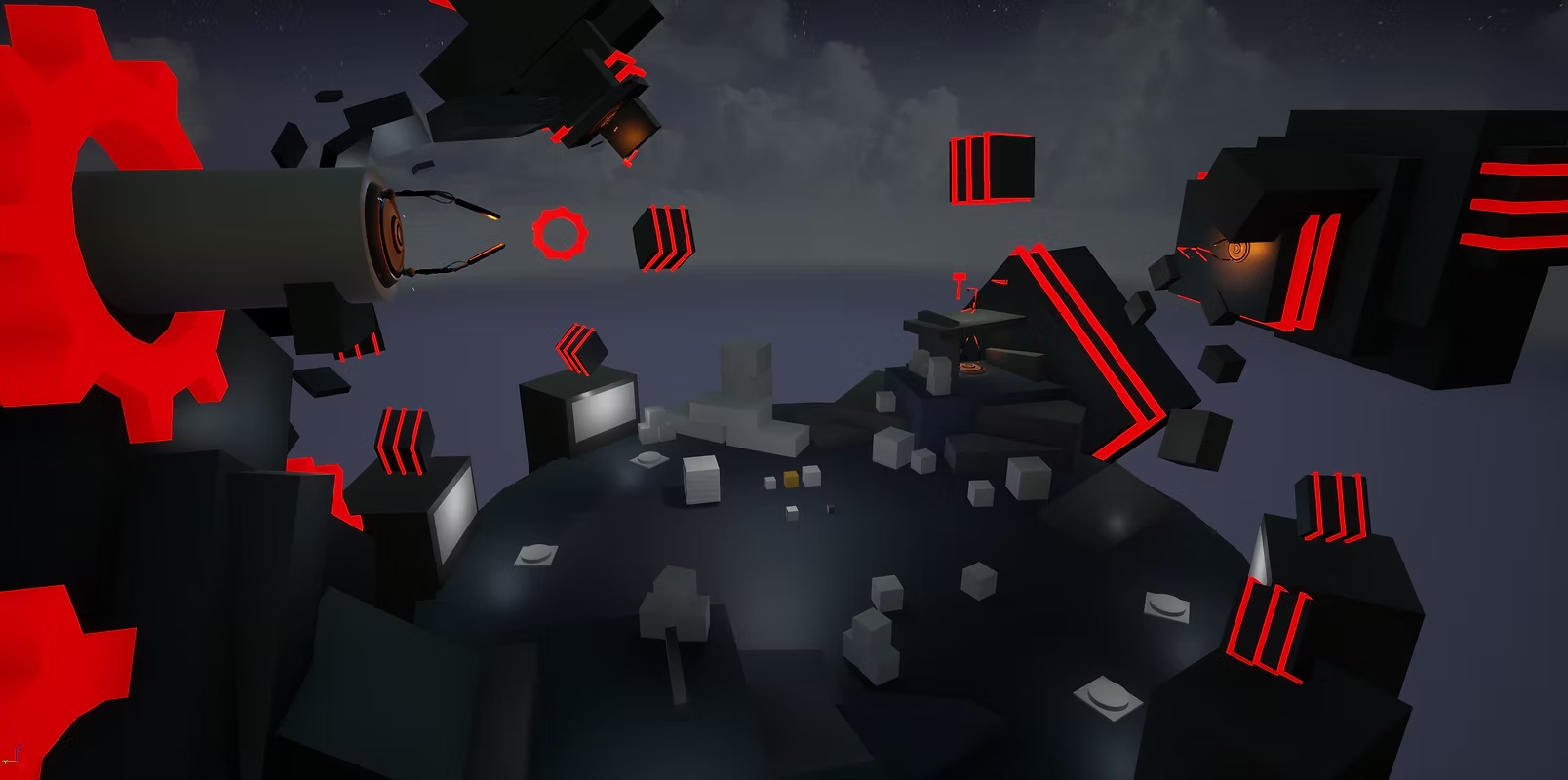
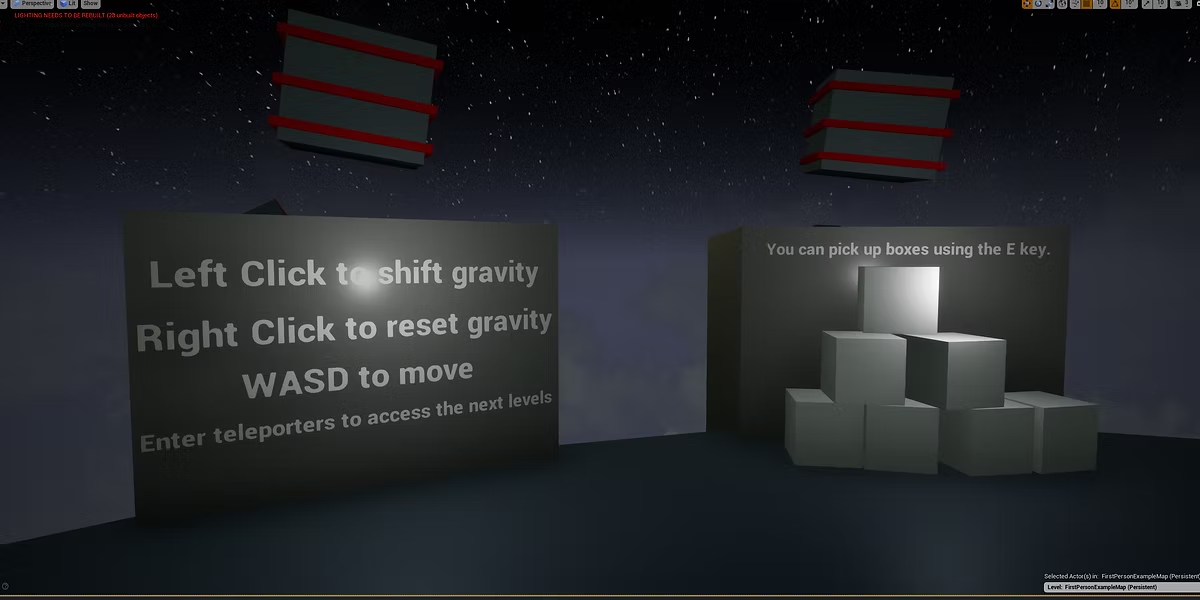
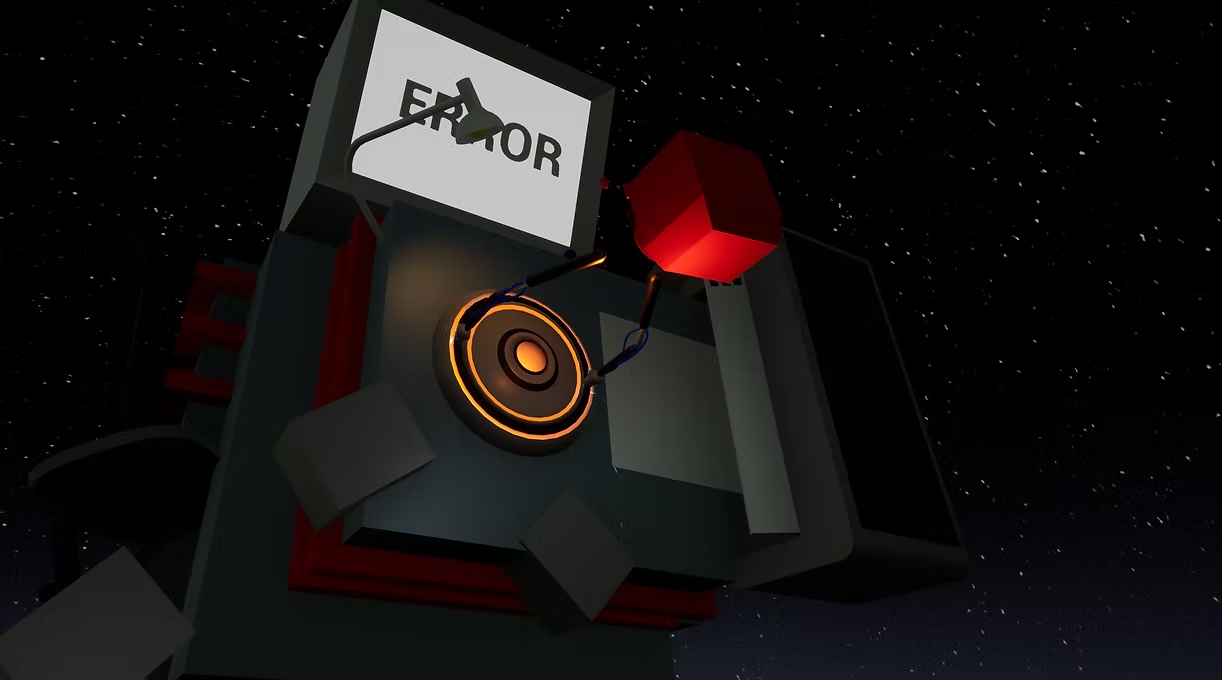
A first-person puzzle prototype where gravity is dynamically reassigned based on player alignment and surface interactions.
developer notes
This was my first major group project in university. We wanted to explore non-traditional puzzle spaces and create dreamlike traversal challenges. I primarily focused on the puzzle design, blockout levels, and overall feel of progression.
Battle Brawlers
more screenshots
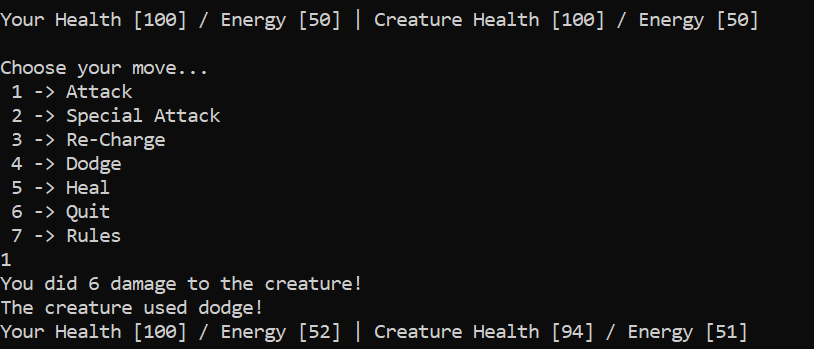
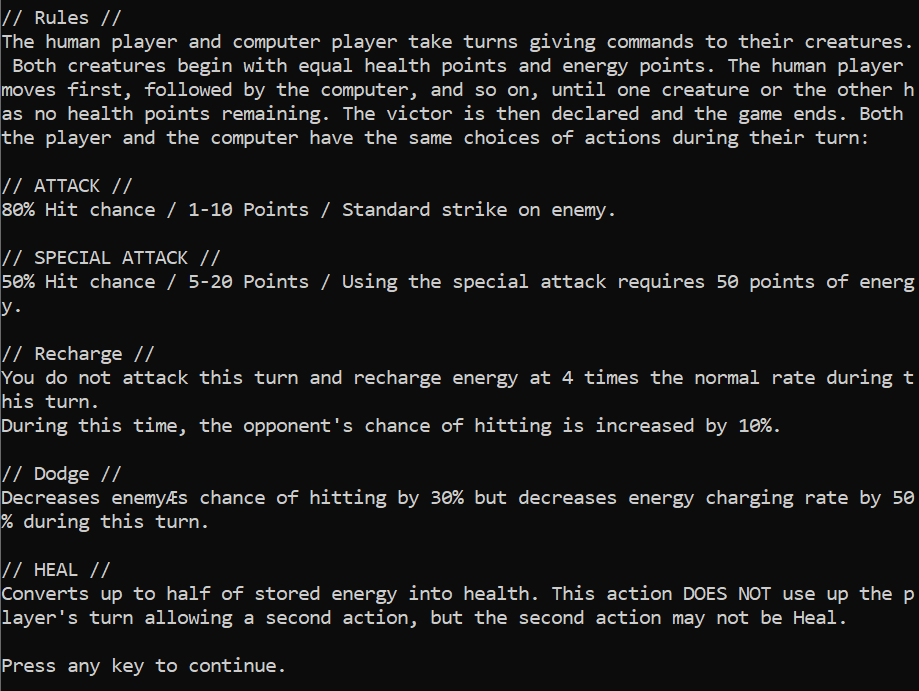
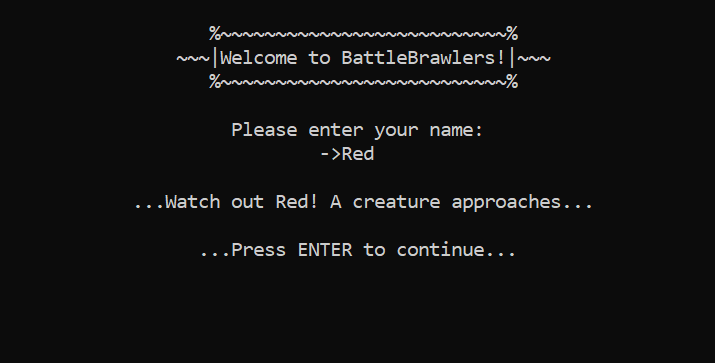
A small turn-based combat prototype demonstrating sequencing, state machines, and basic opponent AI behavior.
developer notes
This was a programming-focused side project experimenting with combat flow and character states. The goal was to better understand game sequencing and how to build deterministic resolution systems.
Rapid Prototyping Collection
more screenshots
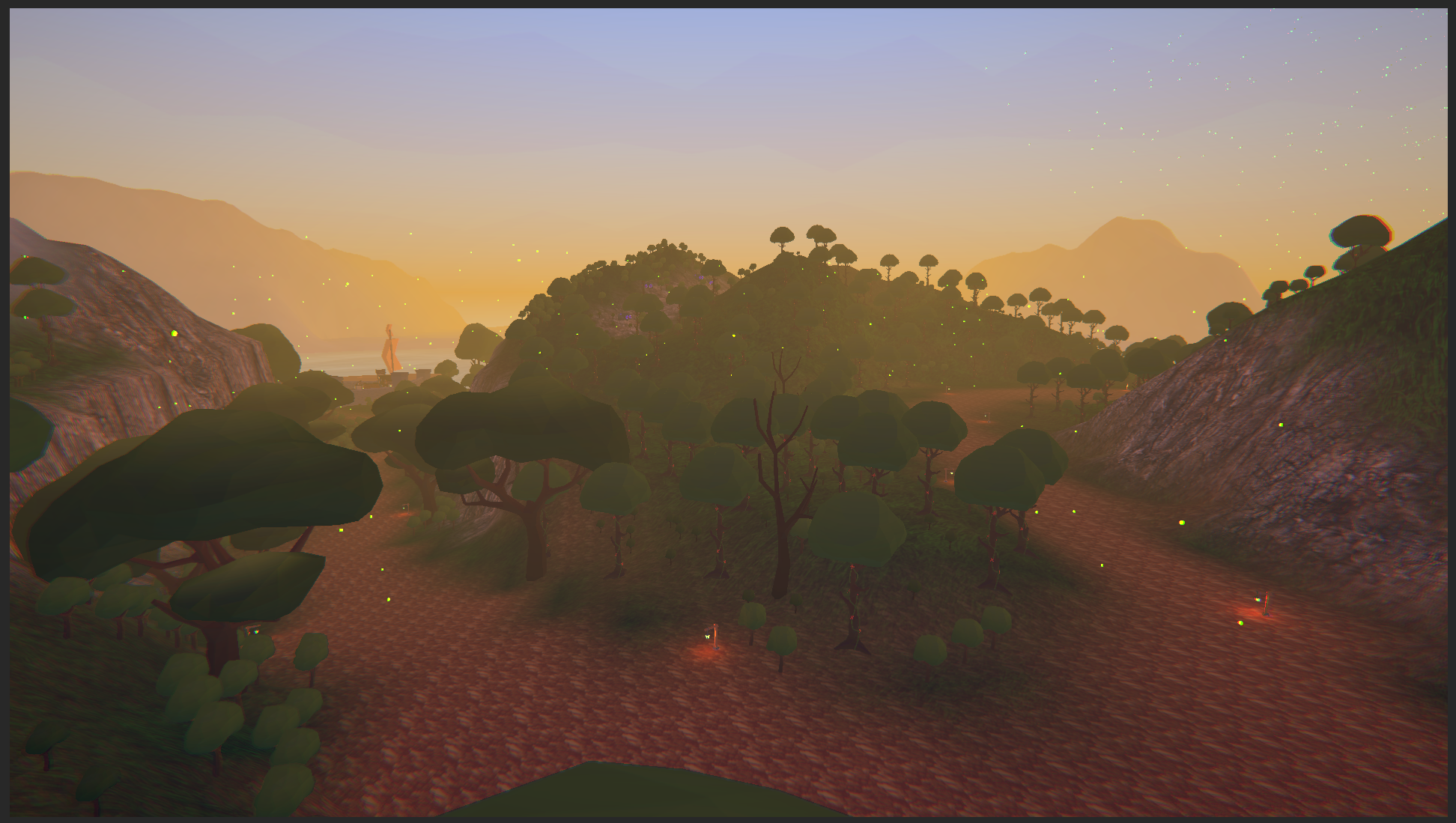
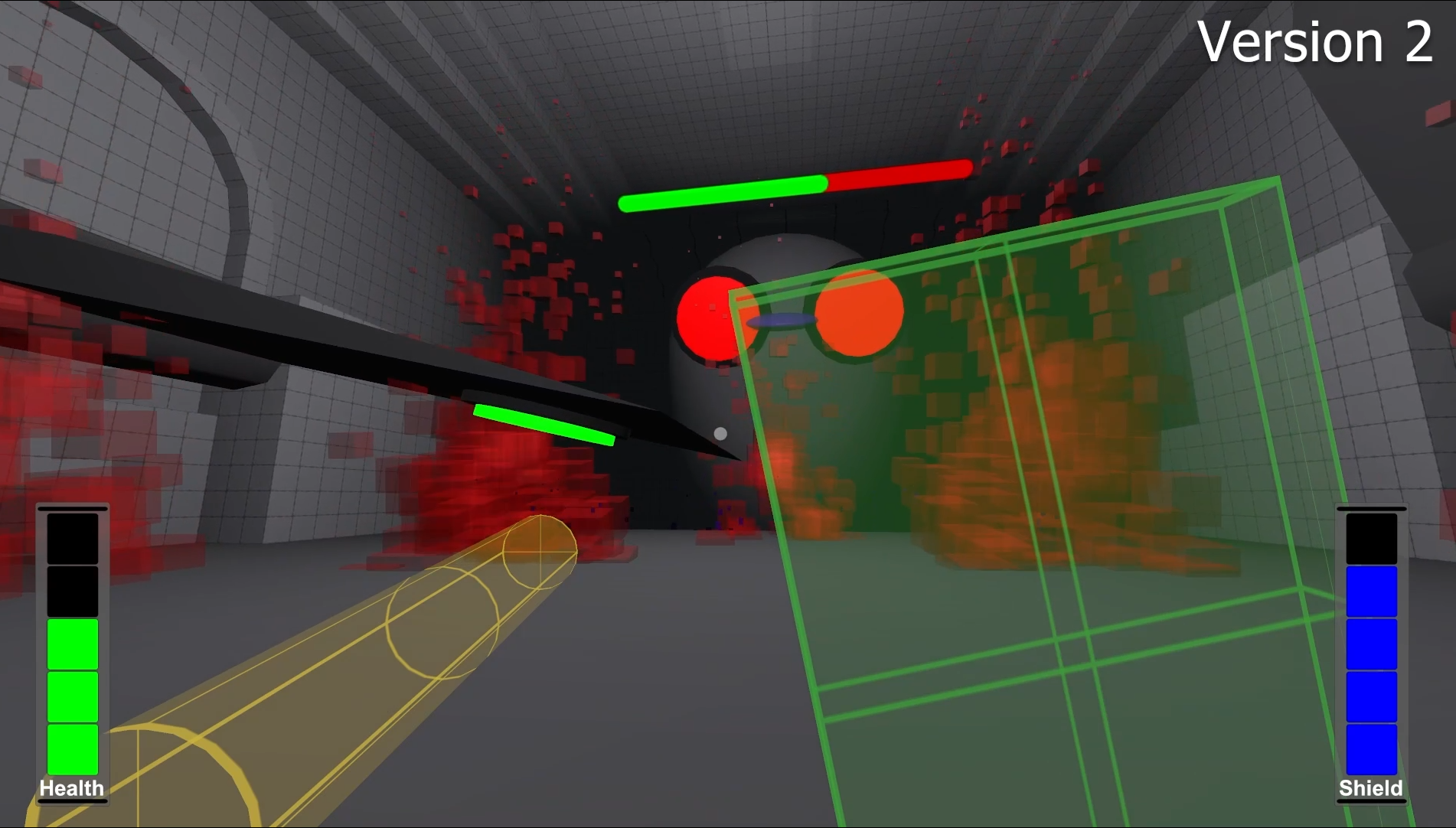
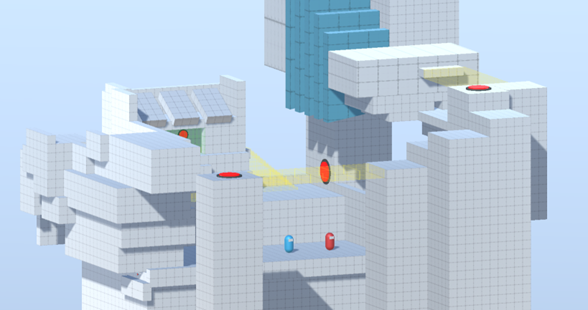
Three small prototypes developed for a rapid prototyping assessment, each built under timed development cycles. The focus was on fast mechanic exploration, incorporating feedback, and iterating rather than polishing. A snapshot of design-through-doing across constrained timeboxes.
Technical & Hardware Projects
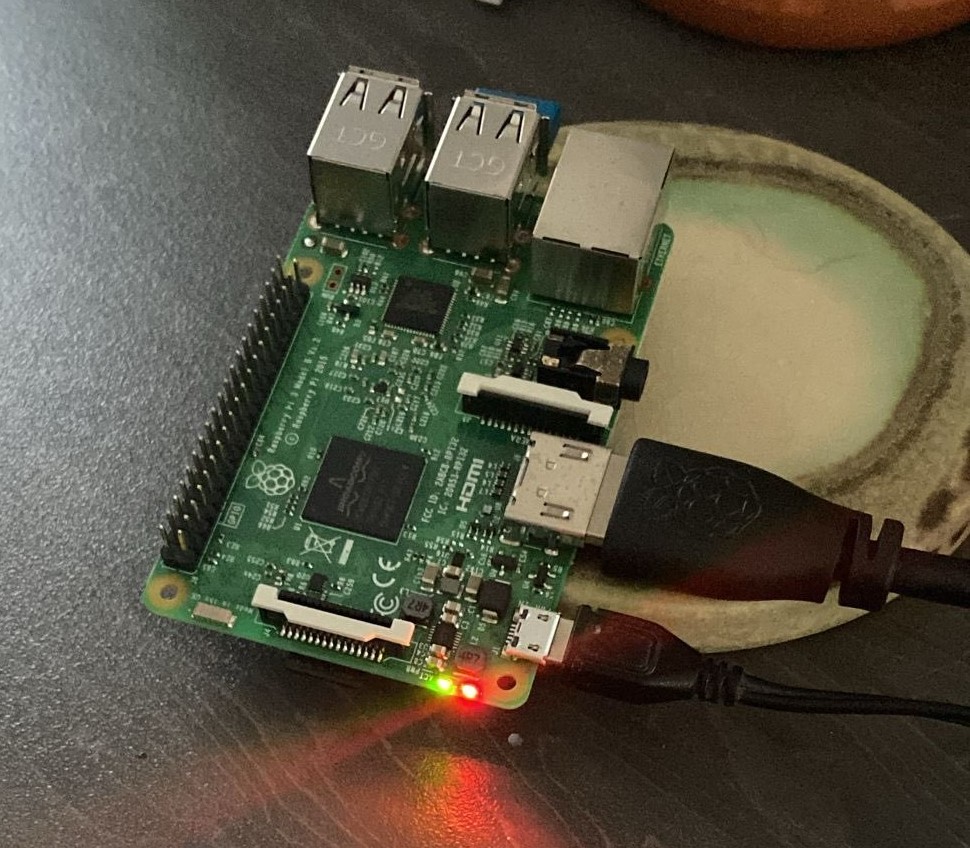
more screenshots
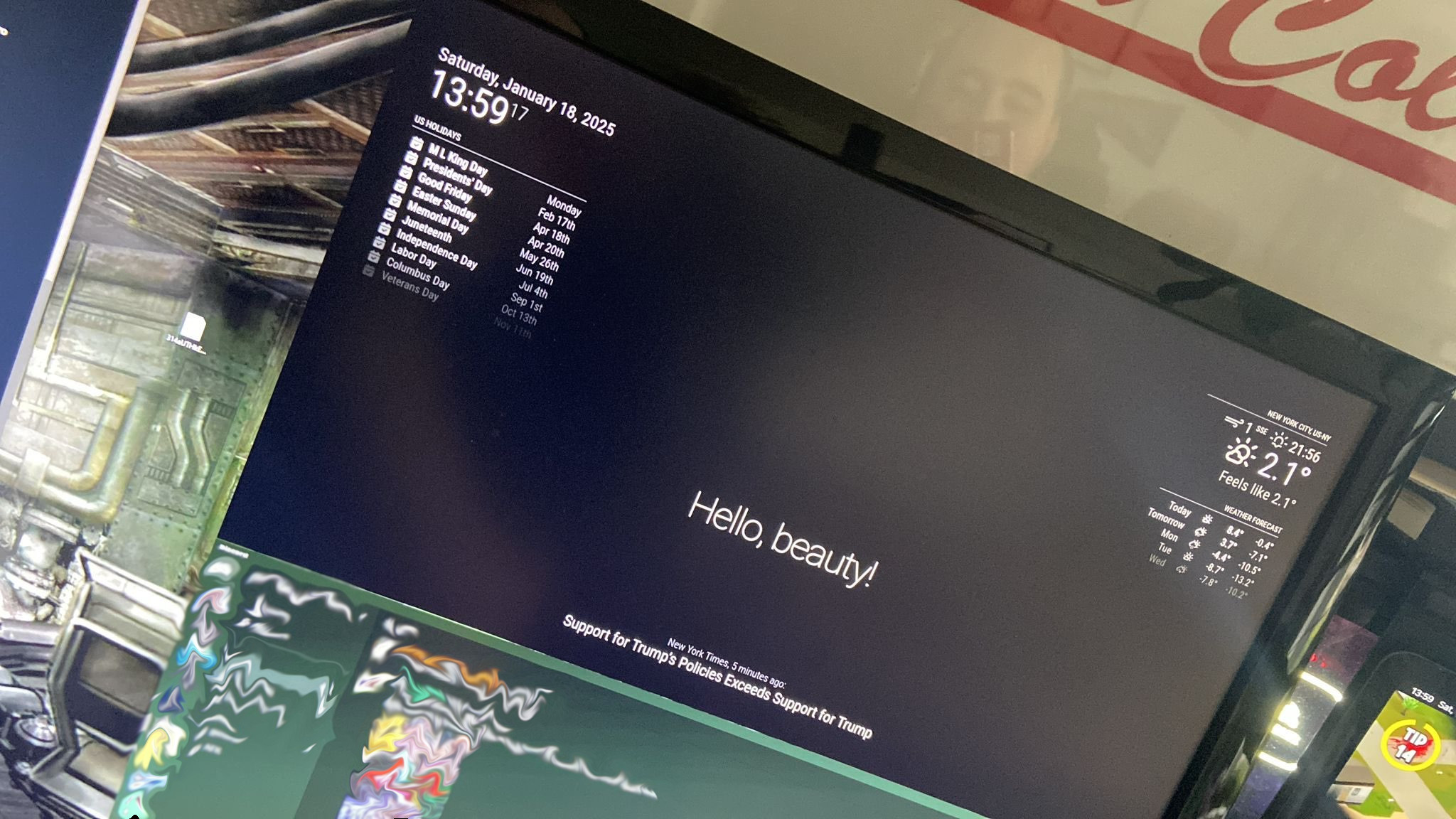
- Raspberry Pi Magic Mirror
- Linux Home Server (AMP + Plex)
- UE5 Open-World Landscape Experiments
developer notes
I enjoy maintaining small personal servers and experimenting with workflow tooling, automation, and self-hosted services. These projects are more functional than game-facing but help round out my technical understanding and infrastructure intuition.